

Radon is a gas you cannot see, smell, or taste. It forms naturally when uranium in soil and rock breaks down, and it can move up through the ground and into a home through foundation cracks, floor joints, and gaps around pipes. It builds up indoors without any sign that it is there.
The EPA considers radon the second leading cause of lung cancer in the United States. Long-term exposure at elevated levels is a serious health concern, and the only way to know if radon is present in a home is to test for it.
OCP Property Inspections provides radon testing in North Olmsted and the surrounding Northeast Ohio area. Paul Ruben carries out each test following certified protocols so the results you receive are accurate and documented.
Trained and InterNACHI® certified for quality assurance.

Easy to understand findings with photos and recommendations.
We help you understand the home not just inspect it.

years of Experience
Licensed & Insured

Ohio is in a region where elevated radon levels are more common than in other parts of the country. The geology of Northeast Ohio, including the soil composition and bedrock in areas like Cuyahoga County, creates conditions where radon can enter homes more readily. That does not mean every home has a problem, but it does mean testing is worth doing rather than assuming.
Homes of all types and ages can have elevated radon levels. New construction, older homes, homes with basements, and homes built on slabs can all be affected. The only way to know the level in a specific home is to test it.
Radon testing at OCP Property Inspections uses a continuous electronic radon monitor. This device records radon levels at regular intervals over a set testing period, typically 48 hours for a short-term test. Paul places the monitor in the lowest livable area of the home, usually the basement or ground floor, following EPA and state testing guidelines.
During the testing period, the home needs to stay in closed-house conditions. Windows and exterior doors should remain closed except for normal entry and exit. This keeps the results from being affected by outside air.
At the end of the testing period, Paul retrieves the monitor and pulls the data. The results show the average radon level in the home measured in picocuries per liter, or pCi/L. The EPA action level is 4 pCi/L. At or above that number, the EPA recommends mitigation. Levels between 2 and 4 pCi/L are considered elevated enough to warrant consideration of mitigation as well.
You receive a report with the full data from the test, including hourly readings, the average result, and a clear explanation of what the number means. Paul goes through the findings with you so you understand the results and what your options are if the level is elevated.


A high radon result is not a reason to panic, but it is a reason to act. Radon mitigation systems are well established and work by pulling radon from beneath the home and venting it outside before it can accumulate indoors. These systems are installed by licensed mitigation contractors and typically bring levels well below the EPA action level.
OCP Property Inspections does not perform mitigation. That separation keeps the inspection independent. Paul gives you the data, explains what it means, and you can bring in a qualified mitigation contractor from there if one is needed.
A follow-up test after mitigation confirms the system is working as it should.
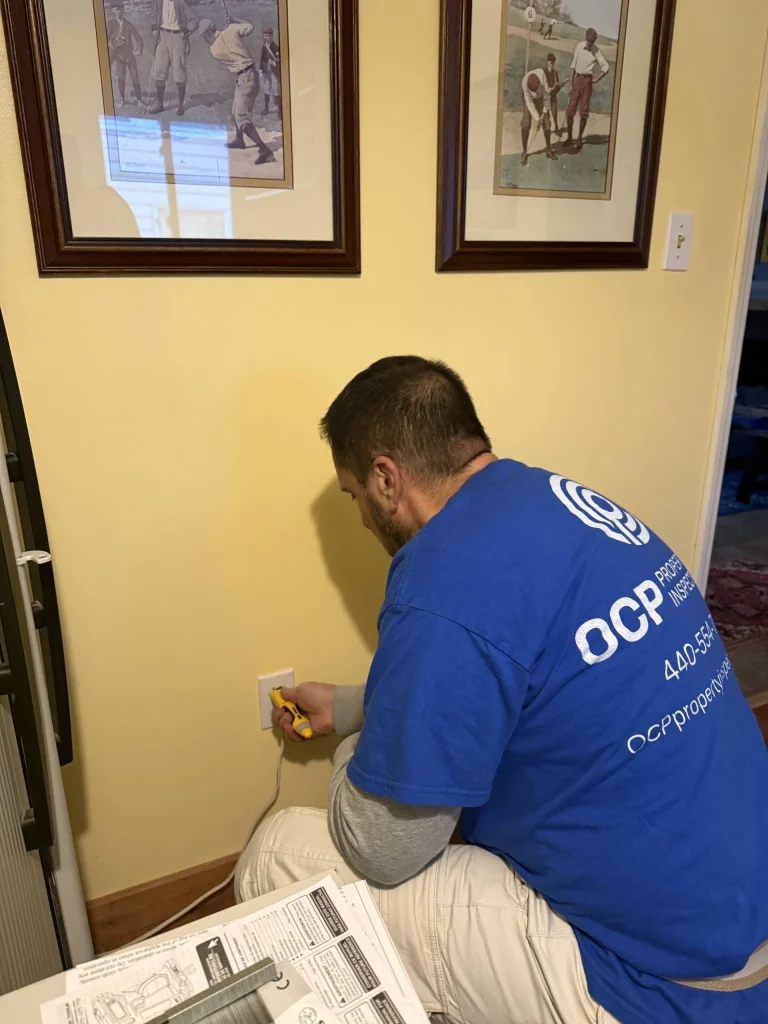
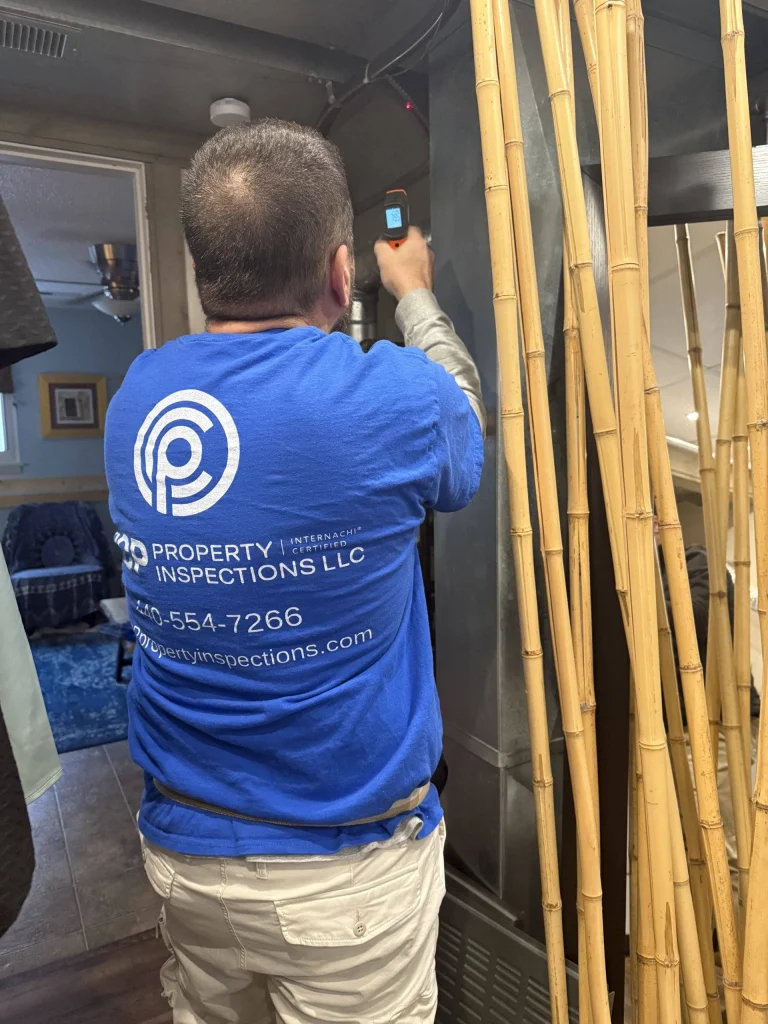
Radon testing has become a standard part of real estate transactions in Ohio. Buyers often request it as a condition of the inspection period, and sellers sometimes test before listing to have documentation ready.
When radon testing is part of a home purchase, the test needs to be carried out under proper conditions and documented in a way that holds up in the transaction. Paul follows certified testing protocols, and the report is formatted to meet the documentation needs of buyers, sellers, and real estate agents.
If a mitigation system is already in the home, testing can confirm it is performing correctly and give the buyer confidence in the numbers.
Radon testing done without following established protocols can produce results that do not accurately reflect actual conditions in the home. Improper placement of the monitor, testing during open-house conditions, or using devices that are not calibrated correctly can all affect results.
Paul is InterNACHI® certified and conducts radon testing in line with EPA measurement protocols. That means the data you receive reflects what is actually happening in the home, and the report is documentation you can rely on.

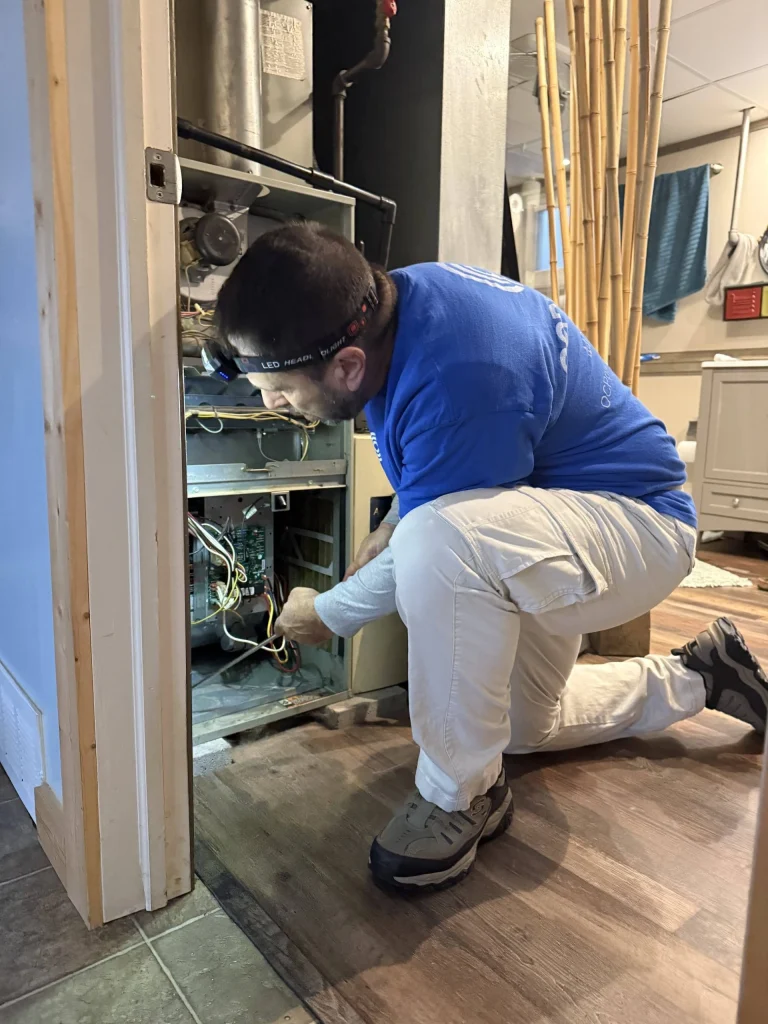
If you have never tested your home for radon, that is a reasonable place to start. The EPA recommends testing all homes below the third floor. Testing is also worth repeating after major renovations that affect the foundation or lower levels of the home, after a radon mitigation system is installed, and every two years as a general practice.
If you are on a lower floor of a multi-unit building, radon can still be a concern. Ground-floor and basement units have more exposure to soil-based radon than upper floors.
Hear from home buyers, sellers, and real estate professionals who have trusted OCP Property Inspections.

Paul’s inspection report was incredibly thorough and easy to understand. He walked us through every issue and made us feel confident in our purchase.


As a real estate agent, I appreciate inspectors who communicate clearly and professionally. OCP Property Inspections is now my go-to recommendation for clients.

We were preparing to list our home and wanted to avoid surprises. Paul identified a few minor concerns that we were able to fix before listing. It saved us stress and helped our sale go smoothly!
The radon test was quick and the results were explained clearly. We value companies that genuinely care about safety — highly recommend.

A standard short-term radon test runs for 48 hours. The home needs to stay in closed-house conditions during that time. After Paul retrieves the monitor, the results are processed and the report is delivered.
Radon can enter homes built on slabs or crawl spaces as well as those with basements. The monitor is placed in the lowest livable area of the home regardless of foundation type.
New homes can have elevated radon levels just as older homes can. Some new construction includes radon-resistant features, but these do not guarantee low levels. Testing after move-in gives you a baseline for the home.
OCP Property Inspections serves North Olmsted and the surrounding communities in Northeast Ohio, including Westlake, Fairview Park, Rocky River, Lakewood, and beyond. To schedule a radon test or ask about pricing, call +1 440-554-7266 or reach out through the contact page.
440-554-7266
ocppropertyinspections@gmail.com
5336 Whitehaven Ave. North Olmsted, Ohio 44070